
Colorado 500: Charity Dirt Culture in the Rockies
How the Colorado 500 grew from a 1970s backcountry ride into the nation’s longest-running motorcycle charity invitational - invitation culture, high-country routes, and trail-preservation giving. Drawn from the event and published coverage, not a first-person ride diary.
 Trail Roamer Editorial TeamSep 5, 2026 · 3 min read
MethodologyDestination/culture feature sourced from the Colorado 500 official About page and 50th-annual PDF plus a Mountain Town Magazine feature. There are no rider interviews of our own; quoted culture points come only from published reporting and organizer statements. Charity dollar figures are as published by organizers for 1981-2025.
Ask a dual-sport rider what “Colorado culture” looks like off asphalt and you will eventually hear about the Colorado 500: not a race with a finish-line clock, but a five-day invitational charity ride through Western Colorado’s mountain towns and high passes. The event’s own history page places its seeds in fall 1975, when Wally Dallenbach and Sherm Cooper spent days on Rocky Mountain trails and mining ghost-town country, then invited friends for a formal ride the next year.
That first Colorado 500 Dirt Bike Ride field numbered nine, including auto-racing figures Al and Bobby Unser. Wally and Peppy Dallenbach hosted annually as the guest list grew. A Charity Fund launched in 1981 to return money to the small communities the ride touches. A separate Charity Invitational Road Ride began in 1987; from 2018 the road and August dirt/adventure formats merged into one multi-discipline gathering for dirt, road, and adventure bikes.
The modern culture is invitation-first and trail-ambassador-minded. Coverage and rider forums describe nomination by an existing rider (or organizers), routes that can include serious high-country passes, and a social contract to represent the event well in mountain towns. Mountain Town Magazine’s feature on the ride’s giving-back identity notes guided groups of varying difficulty linking Snowmass/Aspen country with Crested Butte, Ouray, Silverton, Telluride, and related Western Slope towns - including climbs such as Taylor Pass called out in that coverage.
The charitable ledger is unusually concrete for a moto gathering. The Colorado 500 Charities Fund (501(c)(3)) reports more than $3.5 million distributed from 1981-2025 across schools and emergency services, college scholarships, disabled-veteran sports programming, trail clubs and advocacy (including Trail Preservation Alliance / OHV coalitions and related grants), and ministries. Beneficiaries listed by the organization include mountain-town schools, search-and-rescue and ambulance services, and trail-advocacy groups dual-sport riders depend on for continued access.
For Trail Roamer readers, the Colorado 500 matters less as a “how do I enter tomorrow” checklist and more as a living model of dual-sport / dirt culture: high-country competence, invitation and mentorship norms, and dollars that flow back into trails and towns. The event marks its 50th annual celebration in 2026. Factory and industry support named by organizers has included brands such as Kawasaki, KTM, Yamaha, Honda, and KLIM alongside automotive partners - a reminder that dirt and dual-sport credibility still travels with charity hospitality in the Rockies.
If you ride Colorado public land on your own, treat this article as culture context, not a GPS track. Verify USFS travel-management maps, stay on designated motorized routes, and support the same trail-advocacy ecosystem the Colorado 500 funds. Invitation-only charity weeks and everyday dual-sport loops share one rule: the towns and trails remember how you showed up.
Sources
- About | Colorado 500 2026 - Colorado 500 · accessed Sep 5, 2026
- The Colorado 500 Charity Invitational Ride - 50 Years of Giving Back - Mountain Town Magazine · accessed Sep 5, 2026
- 50th Annual Colorado 500 (event PDF) - Colorado 500 · accessed Sep 5, 2026
FAQ
- Can anyone enter the Colorado 500?
- It is invitation-oriented. Published coverage and organizer materials describe nomination/approval norms rather than open public registration like a typical dual-sport rally.
- Is this a dual-sport-only event?
- Organizers describe dirt, road, and adventure participation after the 2018 merge, with route difficulty varying by group. Treat bike choice as skill- and route-dependent.
- Did Trail Roamer attend for this article?
- No. It's built from official and published materials, not an on-the-ground ride report.
Related
FeaturesHow-To
What Is a Dual-Sport (and a Street-Legal Enduro)?
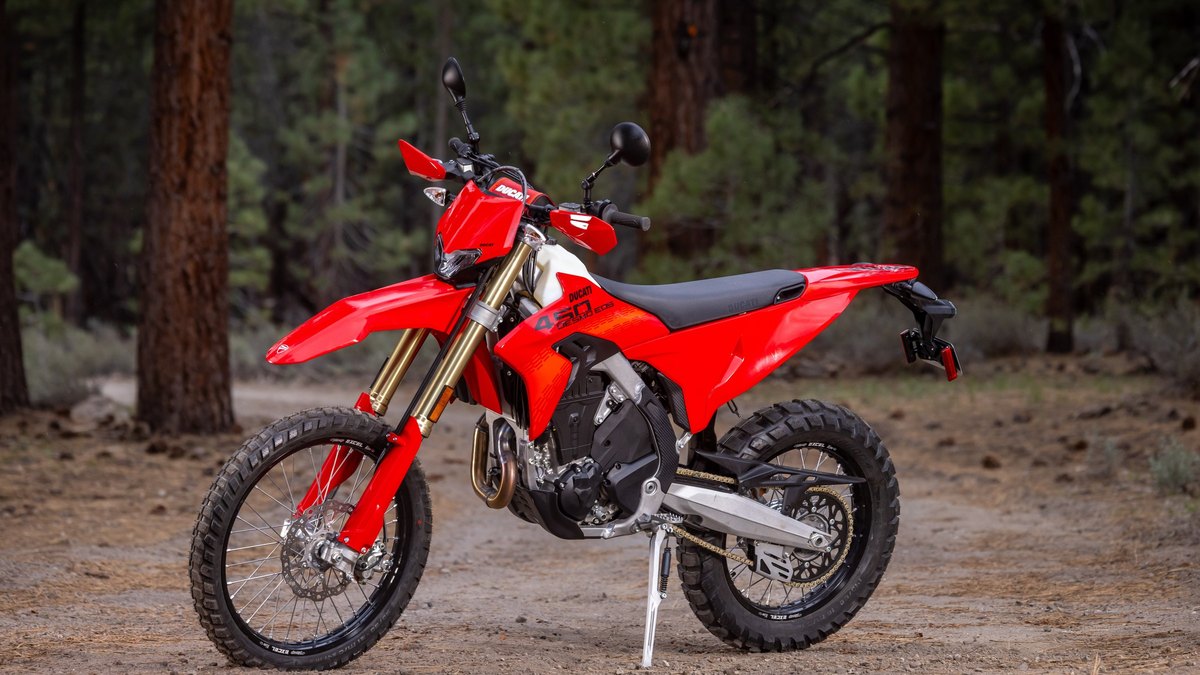
An evergreen glossary for riders sorting dual-sport, street-legal enduro, competition enduro, and adventure bikes - factory road equipment, FMVSS basics, and why U.S. naming differs from Europe. Sourced category education, not a ridden shootout.
Trail AccessPolicy
Rider’s Guide: What Flipping Closed-Unless-Open Could Mean on National Forests
Wyoming Public Media (August 25, 2026) and Missoula Current summarize the Forest Service intent to revise the Travel Management Rule toward greater motorized and e-bike access. Existing designations remain until revised - here is the dual-sport FAQ version of the Federal Register NOI.
Trail AccessPolicy
Forest Service Opens Comment on Travel Management Rewrite Favoring More Motorized Access
Federal Register NOI (Aug 24, 2026; 91 FR 54686) starts EIS/rulemaking to revise 36 CFR part 212 toward an open-unless-closed access presumption and annual closure review. Comments due Sept 23, 2026 on Docket FS-2026-0100. Existing MVUMs stay until locally revised - not legal advice.
BikesComparison
Street-Legal Dual-Sport vs Dirt Bike: What Actually Differs
A clear category explainer: plated dual-sports vs off-road-only dirt bikes - lighting, mirrors, emissions, weight, tires, and where each tool wins. Public category facts only; not a ridden shootout.
NewsRecall
Stop Riding: Husqvarna & GASGAS Braktec Rear Caliper Recall (CPSC + NHTSA)
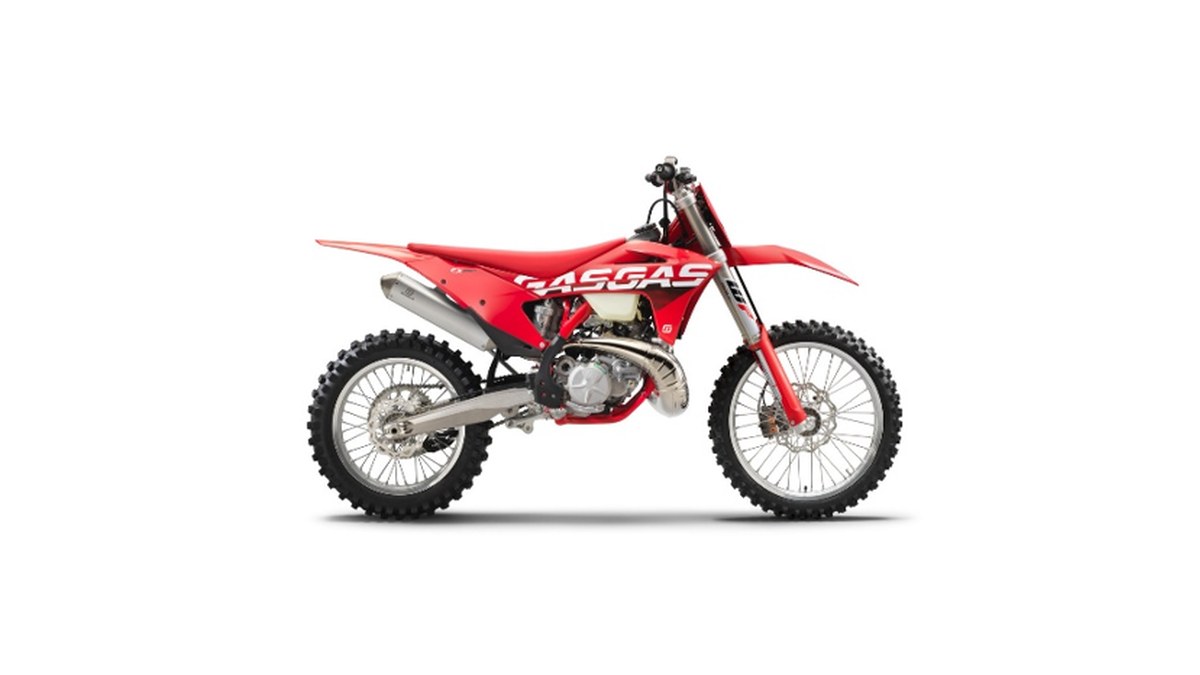
CPSC recall 26-710 covers ~21,040 U.S. 2021-2024 GASGAS and 2022-2024 Husqvarna off-road bikes whose Braktec rear caliper can crack or break, and CPSC says stop riding them. Related NHTSA 26V443 covers ~6,257 plated FE S / ES dual-sports: check your VIN and book the free dealer repair.
NewsRecall
Dual-Sport Owners: NHTSA 26V443 Owner Letters Begin for FE/ES Rear Caliper Recall
NHTSA campaign 26V443 covers certain 2022-2024 Husqvarna FE 350S/501S and 2024 GasGas ES 350/ES 500 dual-sports. Owner notification letters were mailed August 31, 2026, per NHTSA; free caliper replacement is the remedy.
Newsletter
Trail Roamer daily brief
One email with the trail news, race results, recalls and gear stories worth your time.