
What Is a Dual-Sport (and a Street-Legal Enduro)?
An evergreen glossary for riders sorting dual-sport, street-legal enduro, competition enduro, and adventure bikes - factory road equipment, FMVSS basics, and why U.S. naming differs from Europe. Sourced category education, not a ridden shootout.
 Trail Roamer Editorial TeamSep 5, 2026 · 3 min read
MethodologyA category glossary built from public encyclopedia, NHTSA interpretation, OEM category pages, and published ADV/dual-sport/enduro explainers, with no curb weights, dyno numbers, or interviews of our own. Legal notes are general - verify state DMV and land-manager rules.
If you hang around trailheads long enough, you will hear the same machines called dual-sport, dual-purpose, DualSport, street-legal enduro, or just “plated dirt bike.” Those labels overlap, but they are not interchangeable - and mixing them up is how riders buy the wrong tool for how they actually reach the dirt.
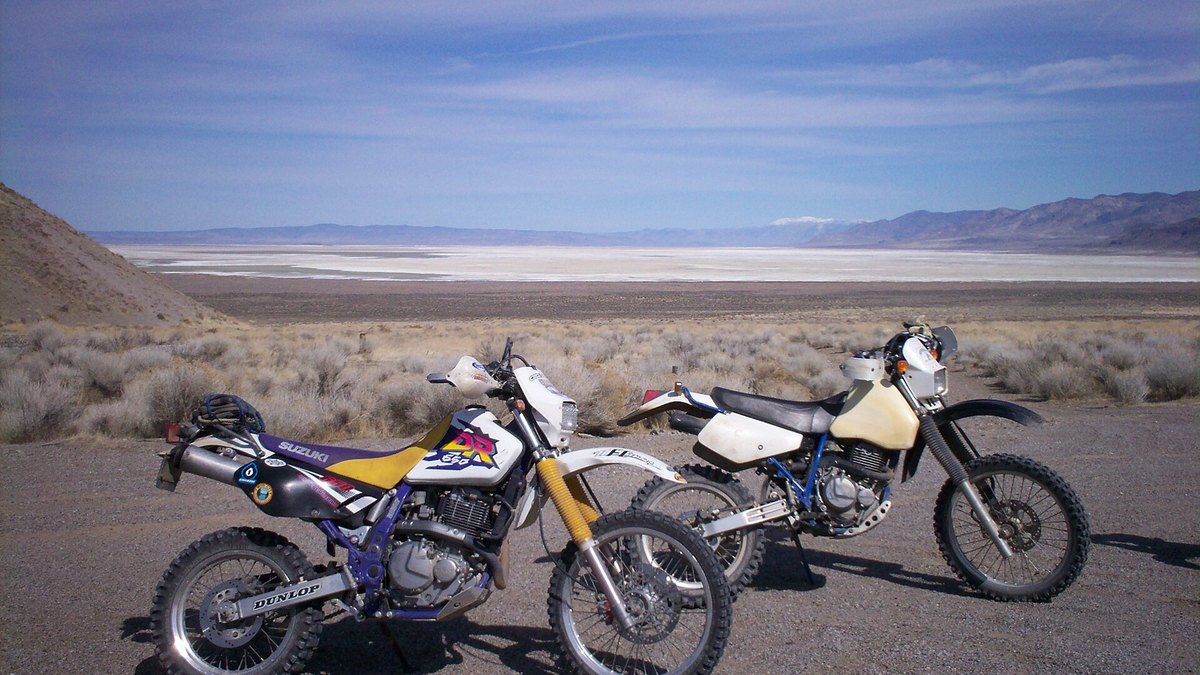
In U.S. usage, a dual-sport motorcycle is built (or factory-certified) for meaningful off-road use while remaining street-legal under federal and state rules that apply to on-road motorcycles. That usually means lights, mirrors, a horn, turn signals, a muffler/spark-arrestor path that satisfies noise and land-manager rules, a speedometer, and a titling/insurance path your state DMV recognizes. Wikipedia’s dual-sport entry frames the category the same way: varying degrees of off-road ability with street-legal equipment as defined for U.S. DOT expectations.
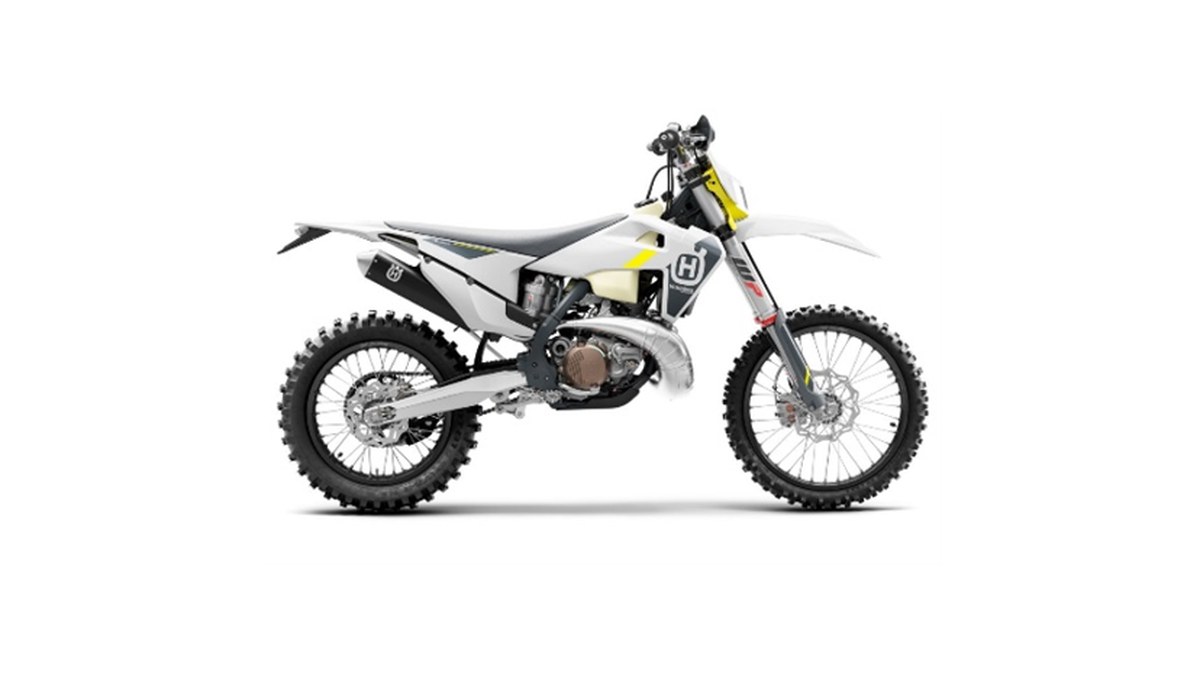
“Street-legal enduro” is the marketing and shop-floor shorthand for competition-shaped dirt bikes that leave the factory with the road kit and certification path already done - think plated FE/ES-class machines rather than a pure off-road race bike you hope to convert later. In the U.S., “enduro” more often means competition-oriented trail racing; in much of Europe, “enduro” models are frequently assumed street-registerable. That regional naming gap is why a European brochure and a U.S. dealer sticker can sound like they disagree when they do not.
Adventure (ADV) bikes sit next door, not inside, the dual-sport box. ADV machines prioritize pavement comfort, range, and luggage for long mixed-surface trips; dual-sports stay lighter and more dirt-capable for singletrack and rocky connectors, usually with less highway polish. Competition-only enduro and motocross bikes optimize weight and suspension for closed-course or designated OHV use and are not automatically legal on public roads just because someone bolted on a headlight.
Federal Motor Vehicle Safety Standards that commonly apply when a motorcycle is manufactured (or converted) for public-road use include lighting and reflective devices (FMVSS 108), rearview mirrors (111), tires/rims (119/120), motorcycle brake systems (122), controls and displays (123), and glazing if a windshield is fitted (205). NHTSA does not “DOT-approve” aftermarket conversion kits as a seal of legality; manufacturers self-certify new vehicles, and converting an off-road-only bike for road use can make the converter responsible for meeting applicable standards. State titling, insurance, inspection, and plate rules still decide whether you can ride connectors tomorrow morning.
Practical takeaway: buy the category that matches how you reach the trail. Mostly trailer to OHV areas or race → competition dirt/enduro class. Ride pavement to dirt and back on one bike → factory dual-sport or street-legal enduro class. Long highway days with luggage → ADV class. Confirm the exact model year’s certification and your state DMV before you wire a deposit - and pair this glossary with our dual-sport vs dirt-bike comparison when you are ready to choose a machine.
Sources
- Dual-sport motorcycle - Wikipedia · accessed Sep 5, 2026
- NHTSA interpretation 21708.ztv - off-road motorcycle conversion and applicable FMVSS - NHTSA · accessed Sep 5, 2026
- Kawasaki Dual-Purpose category (OEM framing) - Kawasaki · accessed Sep 5, 2026
- Suzuki DualSport category (OEM framing) - Suzuki Cycles · accessed Sep 5, 2026
- ADV versus Dual Sport versus Enduro Motorcycles - ADV Moto Skills · accessed Sep 5, 2026
FAQ
- Is every bike with a headlight a dual-sport?
- No. Street legality depends on manufacturer certification (or a lawful conversion) plus your state’s title, insurance, and equipment rules - not whether a lamp is present.
- Why do European and U.S. “enduro” labels feel different?
- In the U.S., enduro often signals competition trail racing; in much of Europe, enduro models are commonly assumed street-registerable. Always read the market-specific homologation, not the nickname.
- How is this different from our dual-sport vs dirt-bike page?
- That page is a buy-decision comparison. This page is the glossary: naming, FMVSS basics, and how dual-sport / street-legal enduro / ADV / competition dirt relate.
Related
BikesComparison
Street-Legal Dual-Sport vs Dirt Bike: What Actually Differs
A clear category explainer: plated dual-sports vs off-road-only dirt bikes - lighting, mirrors, emissions, weight, tires, and where each tool wins. Public category facts only; not a ridden shootout.
BikesComparison
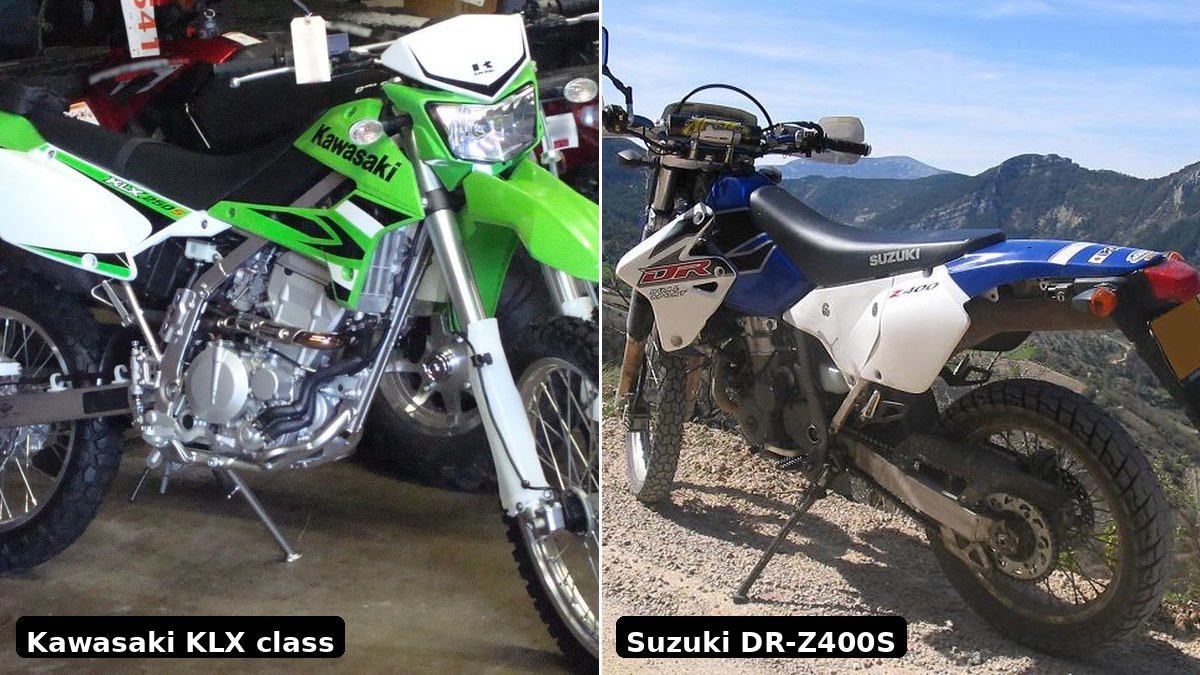
KLX300 vs DR-Z400S for Dual-Sport Beginners (Category Comparison)
A street-legal dual-sport shortlist comparison built from publicly known category facts - displacement class, typical use cases, and ownership tradeoffs. We haven't ridden these two back to back for this comparison, and prices change, so check with your dealer before you budget.
BikesHow-To
Used Dual-Sport Buying Checklist (Inspect Before You Wire)
A practical pre-purchase checklist for used dual-sports: title/VIN, hours vs miles, oil leaks, wheel bearings, valve service history, crash damage, and a sane test ride. It's an inspection guide, not a price guide.
FeaturesTrail Report
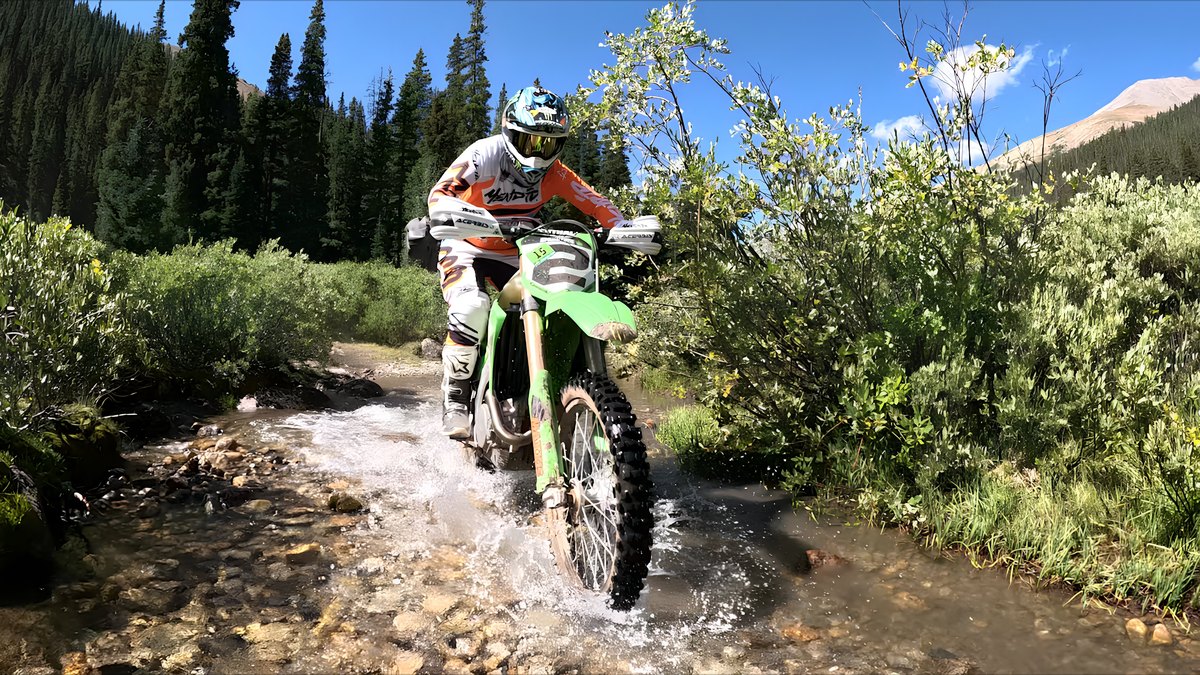
Colorado 500: Charity Dirt Culture in the Rockies
How the Colorado 500 grew from a 1970s backcountry ride into the nation’s longest-running motorcycle charity invitational - invitation culture, high-country routes, and trail-preservation giving. Drawn from the event and published coverage, not a first-person ride diary.
NewsRecall
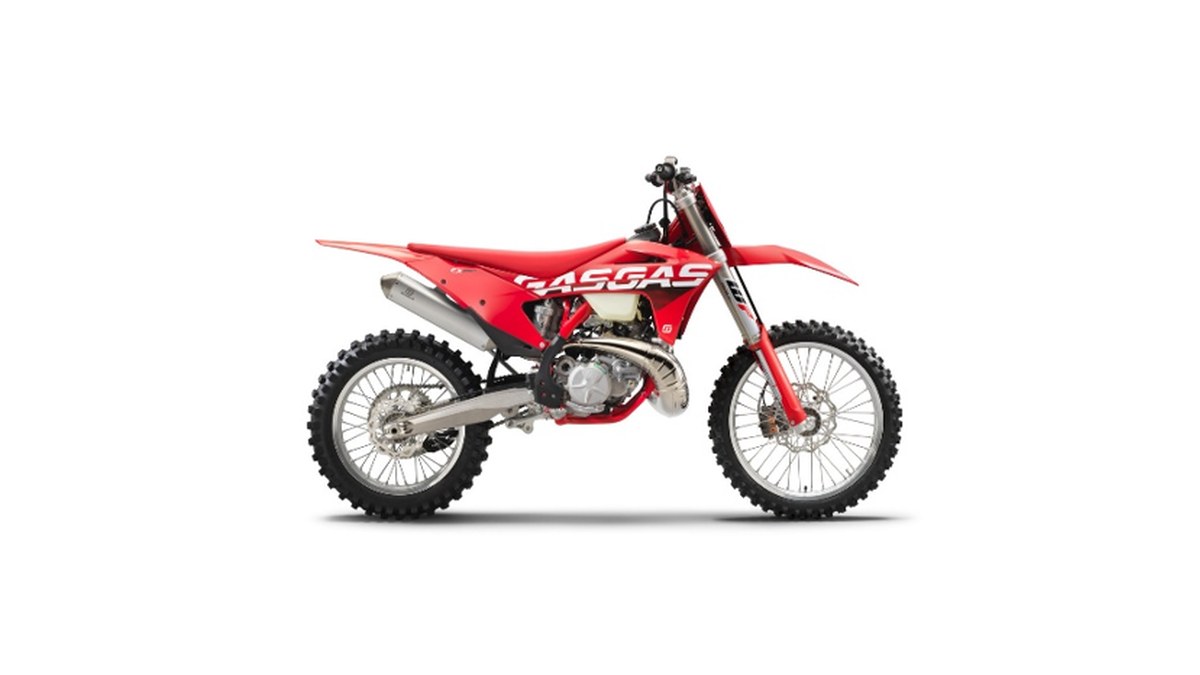
Stop Riding: Husqvarna & GASGAS Braktec Rear Caliper Recall (CPSC + NHTSA)
CPSC recall 26-710 covers ~21,040 U.S. 2021-2024 GASGAS and 2022-2024 Husqvarna off-road bikes whose Braktec rear caliper can crack or break, and CPSC says stop riding them. Related NHTSA 26V443 covers ~6,257 plated FE S / ES dual-sports: check your VIN and book the free dealer repair.
NewsRecall
Dual-Sport Owners: NHTSA 26V443 Owner Letters Begin for FE/ES Rear Caliper Recall
NHTSA campaign 26V443 covers certain 2022-2024 Husqvarna FE 350S/501S and 2024 GasGas ES 350/ES 500 dual-sports. Owner notification letters were mailed August 31, 2026, per NHTSA; free caliper replacement is the remedy.
Newsletter
Trail Roamer daily brief
One email with the trail news, race results, recalls and gear stories worth your time.